
PATIENT EDUCATION CENTER
Your Guide to Better Urological Health
Understanding your health is an important step toward making informed medical decisions. Our Patient Education Center provides clear, practical information about common urological conditions, their symptoms, diagnosis, treatment options, and preventive care.
Explore helpful educational resources covering kidney stones, prostate health, bladder conditions, urinary disorders, and men’s sexual health. These guides are designed to help you recognize important symptoms, understand available care options, and prepare for meaningful discussions with your urologist.
Knowledge Supports Better Decisions
Explore seven patient-friendly guides covering common urological conditions, symptoms, and treatment options.
Commitment to Urological Care
Professional Care, Personal Attention




EXPLORE OUR HEALTH LIBRARY
Explore Urological Health Topics
Explore our collection of patient-friendly urological health guides. Each topic offers helpful information on common symptoms, possible causes, diagnostic approaches, treatment options, and key considerations for your health.
Kidney Stones & Diseases
Understand kidney stones, common symptoms, diagnostic tests, treatment options, and ways to reduce the risk of recurrence.
Read Guide →Enlarged Prostate (BPH) & Prostate Cancer
Learn about prostate enlargement, prostate cancer, warning signs, investigations, and available treatment approaches.
Read Guide →Bladder Cancer & Growth
Explore bladder-related warning signs, diagnostic procedures, and treatment options for bladder growths and cancer.
Read Guide →Pelvi-Ureteric Junction Obstruction (PUJO)
Understand how urinary drainage problems develop, their possible symptoms, and the investigations and treatments used.
Read Guide →Men’s Sexual Health (ED, PE, Infertility)
Find information about erectile dysfunction, premature ejaculation, male infertility, and available medical care.
Read Guide →Urethral Surgeries
Learn about urethral narrowing, surgical treatment options, recovery considerations, and follow-up care.
Read Guide →Urinary Tract Infection
Understand urinary tract infections, common symptoms, risk factors, treatment approaches, and prevention guidance.
Read Guide →
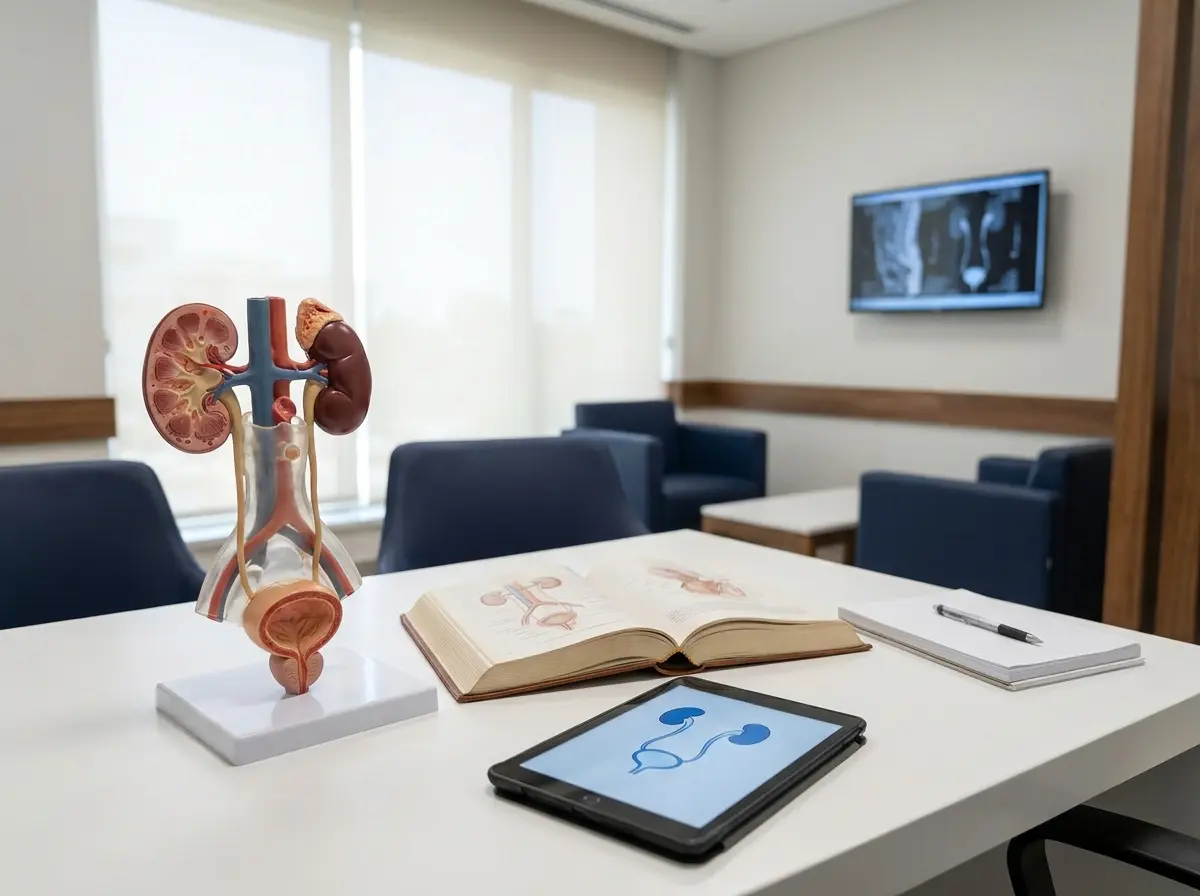
Your Urinary System at a Glance
Understanding the main organs helps you recognize how they work together to keep your body healthy.
● Kidneys & Ureters
The kidneys filter blood and produce urine, which travels through the ureters to the bladder.
● Bladder & Urethra
The bladder stores urine until it leaves the body through the urethra.
KNOW YOUR BODY
Understanding Your Urological Health
Your urinary system plays an essential role in removing waste, regulating fluid balance, and supporting your overall health. Understanding how this system works can help you recognize important changes and know when to seek medical advice.
Urological health involves the kidneys, ureters, bladder, and urethra, along with the male reproductive system. Conditions affecting these organs may cause urinary difficulties, pain, infections, or other symptoms that deserve proper medical evaluation.
Why Patient Education Matters
Learning about your condition can help you ask relevant questions, understand your doctor’s recommendations, and participate more confidently in decisions about your care.
Advanced Urology & Treatments
Modern Solutions for Better Health



RECOGNIZING IMPORTANT SYMPTOMS
When Should You See a Urologist?
Some urinary symptoms may be temporary, while others can indicate a condition that needs medical attention. Recognizing important warning signs can help you seek appropriate care and avoid unnecessary delays.
Changes in Urination
Difficulty starting urination, weak urine flow, frequent urination, or trouble emptying the bladder may require medical evaluation.
Blood in Urine
Visible blood in urine should be assessed by a healthcare professional, even if it occurs only once or is not accompanied by pain.
Persistent Pain
Ongoing pain in the lower abdomen, back, side, or testicles may be related to a urinary or reproductive health condition.
Repeated Urinary Infections
Recurring urinary infections, burning during urination, or symptoms that continue after treatment deserve further medical attention.
Men’s Health Concerns
Persistent erectile difficulties, ejaculation concerns, fertility problems, or prostate-related symptoms can be discussed with a urologist.
Unusual Swelling or Changes
New lumps, swelling, or unexplained changes in the testicles or genital area should be medically examined.
⚠ When to Seek Urgent Medical Care
Seek urgent medical attention if you experience sudden severe pain in your side or testicles, an inability to pass urine, or fever accompanied by pain in your back or side. These symptoms may require prompt assessment and treatment.
CONFIDENCE THROUGH KNOWLEDGE
Making Informed Treatment Decisions
Understanding your diagnosis and available treatment options can help you make informed decisions about your health. Every patient’s condition is different, and discussing your questions with a qualified urologist is an important part of choosing appropriate care.
Your Questions Matter
Every patient’s symptoms, medical history, and treatment needs are different. Asking questions helps you better understand your condition and the care options available to you.
Before your appointment, consider writing down your symptoms, current medications, previous investigations, and any concerns you would like to discuss.
5 Questions to Ask Your Urologist
What is causing my symptoms?
Which tests do I need, and why?
What treatment options are available for my condition?
What are the possible benefits, risks, and alternatives?
What should I expect during recovery and follow-up care?
HELPFUL INFORMATION FOR PATIENTS
Frequently Asked Questions
Find answers to common questions about urological health, recognizing symptoms, preparing for your appointment, and understanding treatment options.
01. What does a urologist treat?
A urologist diagnoses and treats conditions affecting the urinary system in men and women, as well as the male reproductive system. Common concerns include kidney stones, prostate problems, urinary infections, bladder conditions, and men’s sexual health.
02. When should I consult a urologist?
Consider seeing a urologist if you experience persistent urinary difficulties, blood in your urine, recurring urinary infections, kidney or bladder pain, or concerns about prostate or male reproductive health. Sudden severe symptoms may require urgent medical attention.
03. What should I bring to my first urology appointment?
Bring any previous medical reports, ultrasound or scan results, laboratory tests, and a list of your current medications. It is also helpful to write down your symptoms, when they started, and any questions you would like to ask.
04. Are all urological conditions treated with surgery?
No. Many urological conditions can be managed with medications, lifestyle changes, monitoring, or other non-surgical treatments. Surgery may be recommended when appropriate, depending on the diagnosis and the patient’s individual needs.