
EVIDENCE-INFORMED UROLOGICAL CARE
Clinical Outcomes & Patient Care
Understanding clinical outcomes is an important part of making informed healthcare decisions. Dr Abdul Mujeeb emphasizes careful diagnosis, individualized treatment planning, and appropriate follow-up to help patients understand their condition, treatment options, and expected recovery.
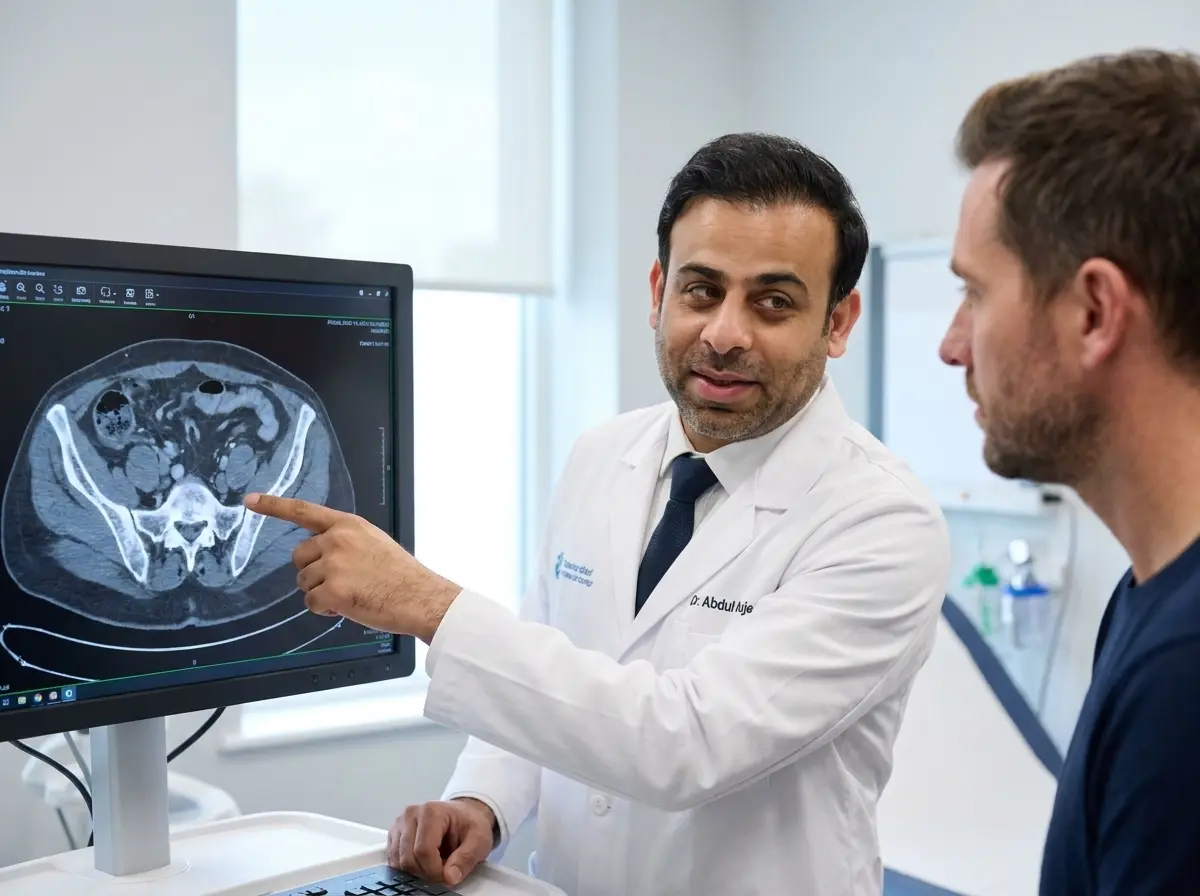
Diagnosis & Follow-Up Care
From Assessment to Recovery
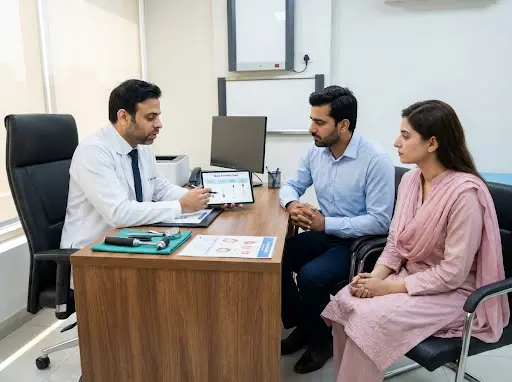
UNDERSTANDING CLINICAL RESULTS
What Clinical Outcomes Really Mean
Clinical outcomes help us understand how a patient’s condition changes following medical care. They may include symptom improvement, treatment response, recovery progress, and long-term health. Evaluating these outcomes supports informed decisions and helps patients understand what to expect from their treatment.
Good urological care involves more than completing a medical procedure. It also includes understanding the patient’s symptoms, monitoring progress, and assessing whether treatment goals are being achieved.
Clinical outcomes can vary from one patient to another. The diagnosis, severity of the condition, overall health, and selected treatment approach all influence recovery and longer-term results.
Better Care Begins with Better Understanding
Meaningful clinical outcomes are measured not only by treatment results, but also by patient well-being, recovery progress, and continued care.
FOCUSING ON MEANINGFUL RESULTS
Measuring Progress Beyond Treatment
Clinical progress involves more than completing a medical procedure or treatment. Meaningful outcomes may include symptom improvement, response to treatment, recovery progress, and long-term well-being. These factors help patients and doctors understand the effectiveness of care over time.
Symptom Improvement
Monitoring changes in pain, urinary symptoms, and everyday comfort helps assess whether treatment is addressing the patient’s main concerns.
Treatment Response
Clinical reviews and appropriate investigations help evaluate how the condition responds to treatment and whether adjustments may be needed.
Recovery & Daily Well-Being
Recovery assessment considers healing, comfort, return to daily activities, and any difficulties that may require additional medical guidance.
Long-Term Follow-Up
Follow-up appointments, when needed, help monitor ongoing health, identify recurring symptoms, and support appropriate long-term management.
SPECIALIZED UROLOGICAL CARE
Clinical Care Across Urological Conditions
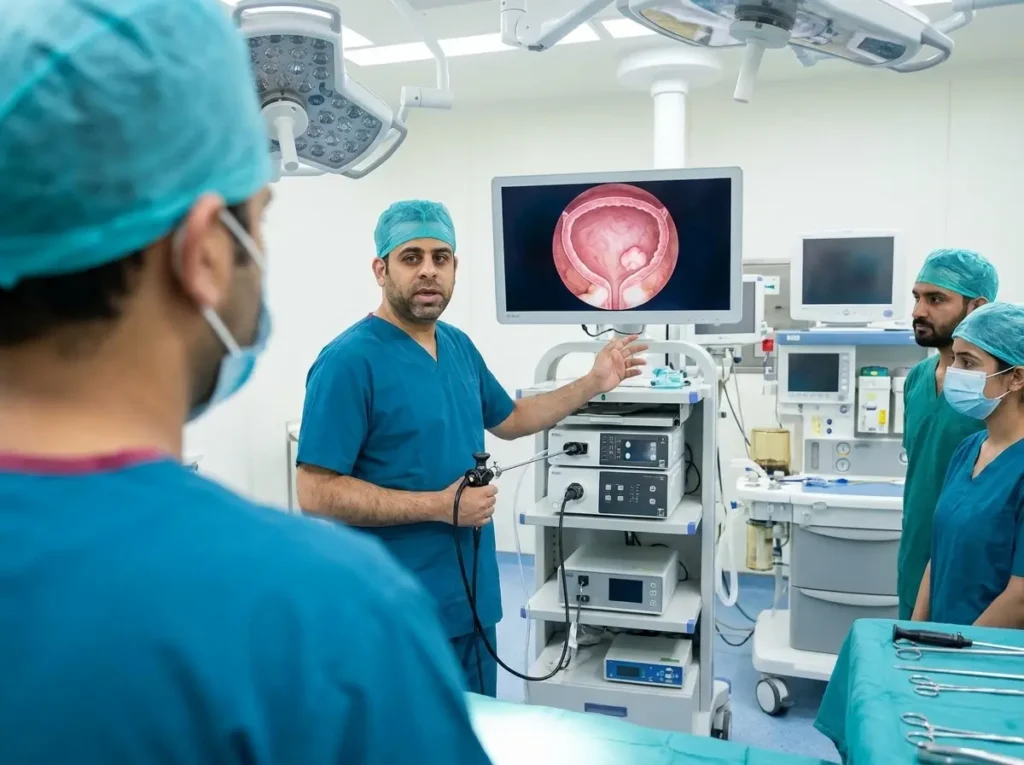
Every patient’s condition is different and deserves careful attention. Dr Abdul Mujeeb provides comprehensive urological evaluation and individualized treatment planning, using modern diagnostic methods and appropriate medical or surgical approaches to support better patient care.
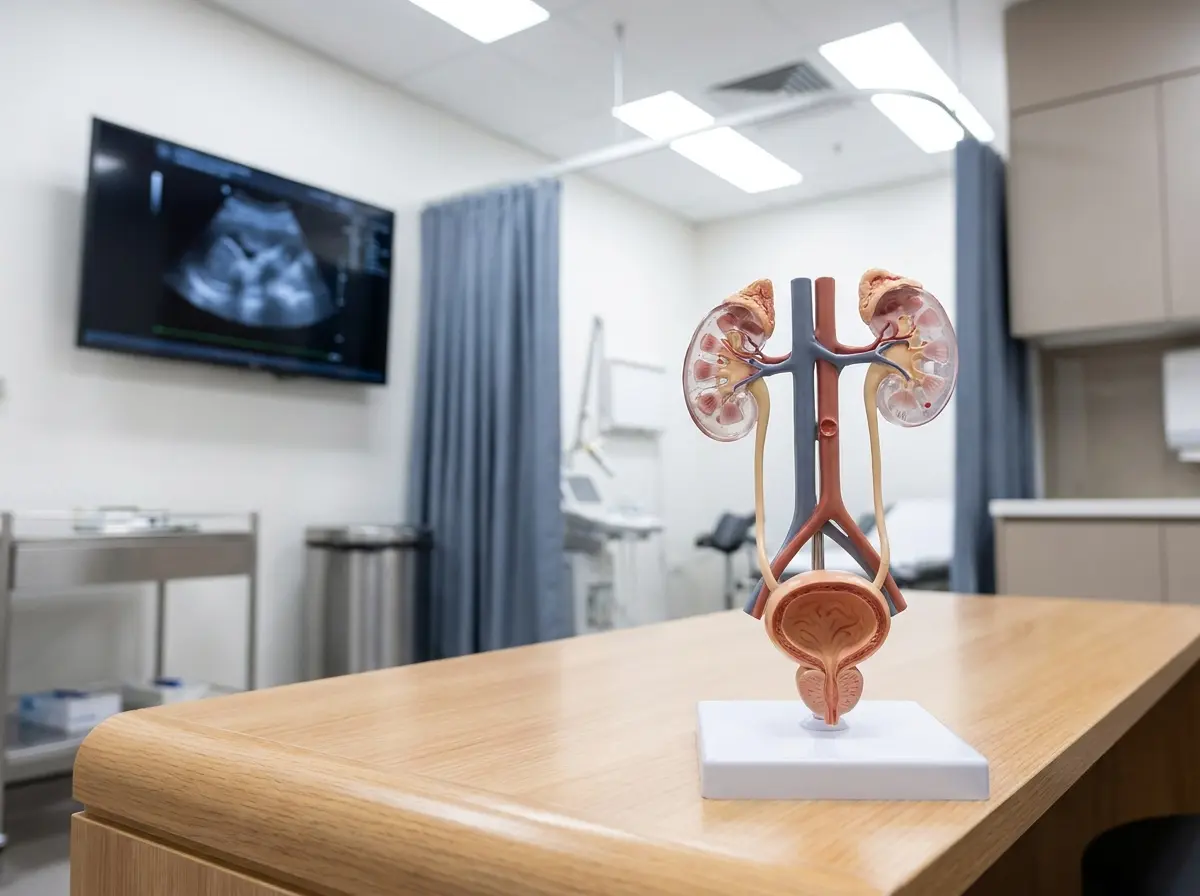
Every Outcome Matters
Understanding treatment progress involves careful clinical evaluation, attention to patient symptoms, and appropriate follow-up. Each patient’s recovery is considered in relation to their condition and individual healthcare needs.
CONDITION-SPECIFIC CARE
Clinical Care Across Urological Conditions
Clinical outcomes vary according to the type and severity of a urological condition. Kidney stones, prostate disorders, bladder problems, and urethral conditions each require suitable investigations, individualized treatment decisions, and appropriate follow-up to assess progress.
THE PATIENT CARE PATHWAY
From Diagnosis to Recovery
Understanding the stages of urological care helps patients know what to expect before, during, and after treatment. Each stage supports informed decisions, appropriate medical management, and the assessment of recovery progress.
Initial Consultation
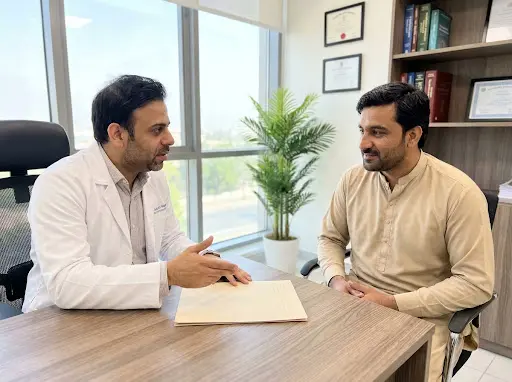
The care journey begins with understanding symptoms, medical history, and individual concerns. This discussion helps identify the patient’s needs and the next steps in evaluation.
Clinical Evaluation
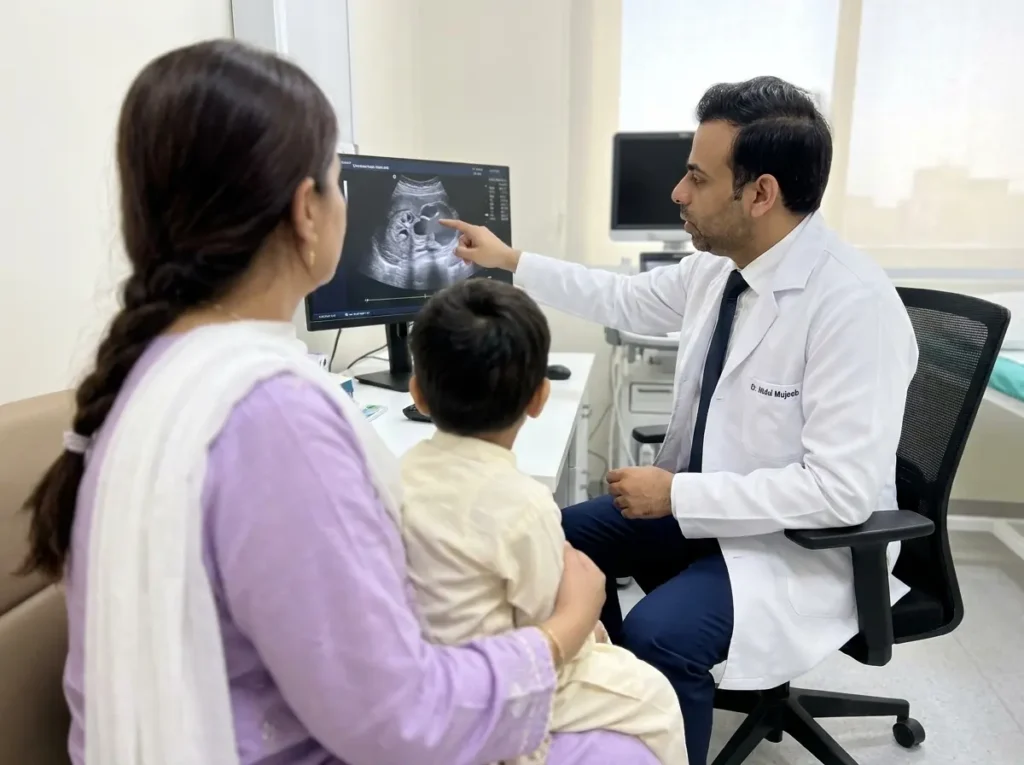
Appropriate examinations, laboratory tests, or imaging may be recommended to understand the condition and guide treatment decisions.
Personalized Treatment Planning
Suitable treatment options are discussed according to the diagnosis, patient needs, expected benefits, and possible risks.
Treatment & Recovery
Following the selected treatment approach, recovery guidance may include medication instructions, activity recommendations, and symptoms that require medical attention.
Follow-Up & Ongoing Care
Follow-up, when appropriate, helps review recovery, assess treatment response, and address new or continuing concerns.
INTERPRETING YOUR RECOVERY
Understanding Treatment Results
Every patient responds differently to urological treatment. Understanding expected progress, possible limitations, and the importance of follow-up helps patients make informed decisions.
Treatment outcomes depend on several factors, including the diagnosis, condition severity, overall health, and type of treatment. Some patients may improve quickly, while others need a longer recovery period or further assessment.
Individual Results May Vary
Recovery and treatment response differ according to the patient’s condition, medical history, and individual healthcare needs.
Progress Takes Time
Some improvements may be noticed soon after treatment, while others develop gradually and require continued observation.
Follow-Up Supports Better Decisions
Appropriate clinical reviews help assess recovery, identify concerns, and determine whether further care is necessary.

Recovery Is a Personal Journey
Understanding your recovery involves knowing what improvements to expect, following medical advice, and recognizing when further evaluation may be needed.
✓ Know What to Expect
Discuss expected recovery, possible limitations, and the signs of improvement with your doctor.
✓ Follow Recovery Advice
Follow the medication, activity, and follow-up instructions provided for your condition.
✓ Recognize Warning Signs
Seek timely medical advice if concerning symptoms develop or recovery does not progress as expected.
YOUR HEALTH, YOUR DECISIONS
Discuss Your Treatment Expectations
Understanding your diagnosis, treatment options, and expected recovery can help you make informed decisions about your urological health. Dr Abdul Mujeeb provides consultations to discuss individual concerns, explain suitable care options, and help patients understand what to expect from treatment.
Take the Next Step
Arrange a consultation with Dr Abdul Mujeeb to discuss your concerns, review your treatment options, and understand the next steps in your care.
PATIENT QUESTIONS ANSWERED
Frequently Asked Questions
Find answers to common questions about clinical outcomes, treatment results, recovery expectations, and the importance of follow-up care.
01: What are clinical outcomes in urology?
Clinical outcomes describe changes in a patient’s health following medical care. They may include symptom improvement, treatment response, recovery progress, and long-term management of a urological condition.
02: How long does it take to see results after urological treatment?
Recovery time depends on the medical condition, treatment approach, and overall health. Some patients improve quickly, while others may need several weeks or longer. Your doctor can explain the expected recovery period for your individual situation.
03: Does every patient experience the same treatment results?
No. Treatment results can vary based on the diagnosis, severity of the condition, overall health, and individual response to care. No medical treatment can guarantee the same outcome for every patient.
04: Why are follow-up appointments important after treatment?
Follow-up appointments help assess recovery, review symptoms, identify possible complications, and decide whether you need additional care. Your doctor will recommend appropriate follow-up based on your condition and treatment.