
PATIENT EDUCATION
Kidney Stones & Diseases
Expert diagnosis, modern treatment options, and personalised urological care for kidney stones and related conditions.
Kidney stones and other urinary problems can affect your comfort and daily life. Understanding your condition and seeking timely medical advice can help you make informed decisions about your kidney and urinary health.
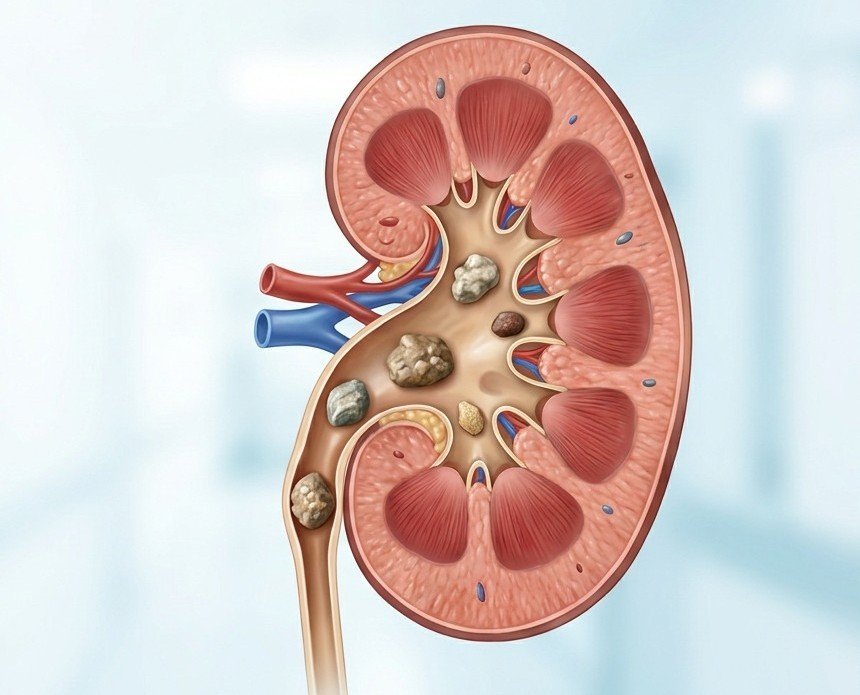
Understanding Kidney Stones & Stone Diseases
Kidney stones are hard deposits of minerals and salts that form inside the kidneys. They may remain in the kidney or travel into the urinary tract, sometimes causing severe pain, urinary blockage, or infection. Understanding the different types of stones helps patients recognize their condition and seek appropriate urological care.
1. Calcium Stones
The most common kidney stones are made from calcium oxalate or calcium phosphate. They may form when certain minerals become concentrated in urine.
2. Uric Acid Stones
Uric acid stones can develop when urine is persistently acidic. They are associated with dehydration, certain diets, and metabolic conditions.
3. Infection & Other Stones
Struvite stones may develop with certain urinary infections. Less common cystine stones are linked to inherited conditions.
Causes & Risk Factors of Kidney Stones
Kidney stones form when certain minerals and salts concentrate in urine and crystallise. Several factors can increase the likelihood of stone formation, including inadequate fluid intake, dietary habits, metabolic conditions, and family history. Identifying these risk factors helps guide prevention and long-term urinary health.
1. Inadequate Fluid Intake
Drinking too little fluid produces concentrated urine, allowing minerals to crystallize. Hot weather and excessive sweating may increase this risk.
2. Dietary Factors
High sodium intake, excessive animal protein, and certain oxalate-rich foods may contribute to stone formation in susceptible individuals.
3. Metabolic & Medical Conditions
Obesity, gout, diabetes, and certain metabolic disorders can alter urine chemistry and increase the likelihood of developing kidney stones.
4. Family History & Previous Stones
People with a family history of kidney stones or previous stone episodes have a greater risk of developing stones again.
Kidney Stone Treatment
Advanced Diagnosis & Treatment
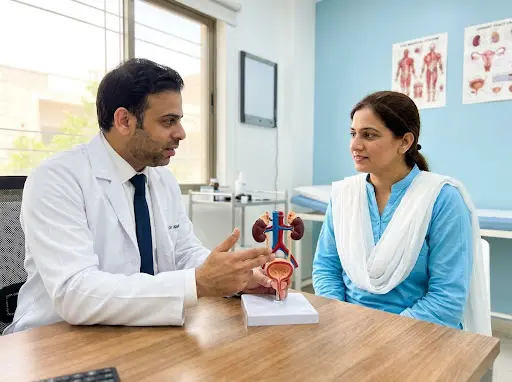


Signs & Symptoms of Kidney Stones
Kidney stones may cause no symptoms until they enter the urinary tract or block urine flow. Symptoms can range from mild discomfort to sudden, severe pain, depending on the stone’s size and location. Recognizing warning signs early is important, particularly when pain is accompanied by fever, vomiting, or difficulty passing urine.
1. Severe Flank & Back Pain
Sudden, intense pain in the side or back may spread toward the lower abdomen or groin. Pain often comes in waves.
2. Blood in Urine & Urinary Changes
Urine may appear pink, red, or brown. Some patients experience frequent urination, urgency, or burning when passing urine.
3. Nausea, Vomiting & Fever
Severe stone pain may cause nausea or vomiting. Fever or chills can indicate infection and require urgent medical assessment.
Diagnosis & Investigations
Diagnosing kidney stones involves assessing symptoms, reviewing medical history, and performing appropriate investigations. Urine and blood tests can identify infection, changes in kidney function, and factors that contribute to stone formation. Imaging helps determine the stone’s size and location, whether it blocks urine flow, and allows the urologist to recommend appropriate treatment.
1. Medical History & Examination
Your urologist reviews pain, urinary symptoms, previous stones, and medical history. Examination helps assess discomfort and possible complications.
2. Urine & Blood Tests
Urine tests may detect blood, crystals, or infection. Blood tests help assess kidney function and mineral levels linked to stones.
3. Ultrasound & CT Imaging
Ultrasound and, when appropriate, non-contrast CT scans help locate stones, measure their size, and detect urinary obstruction.
4. Stone Analysis & Metabolic Evaluation
Analysis of a passed or removed stone, and selected 24-hour urine tests, can identify risk factors and guide prevention.
Treatment Options for Kidney Stones
Treatment for kidney stones depends on the stone’s size, location, composition, symptoms, and impact on kidney function. Some small stones pass naturally with appropriate medical guidance, while larger or obstructing stones may require specialized procedures. Dr Abdul Mujeeb evaluates each patient’s condition to recommend a suitable treatment approach.
1. Conservative Management
Small stones may pass naturally. Treatment can include appropriate fluids, pain relief, monitoring, and medication to assist passage when suitable.
2. Shock Wave Lithotripsy (SWL)
Focused shock waves break selected kidney stones into smaller fragments that may pass through urine. Suitability depends on stone characteristics.
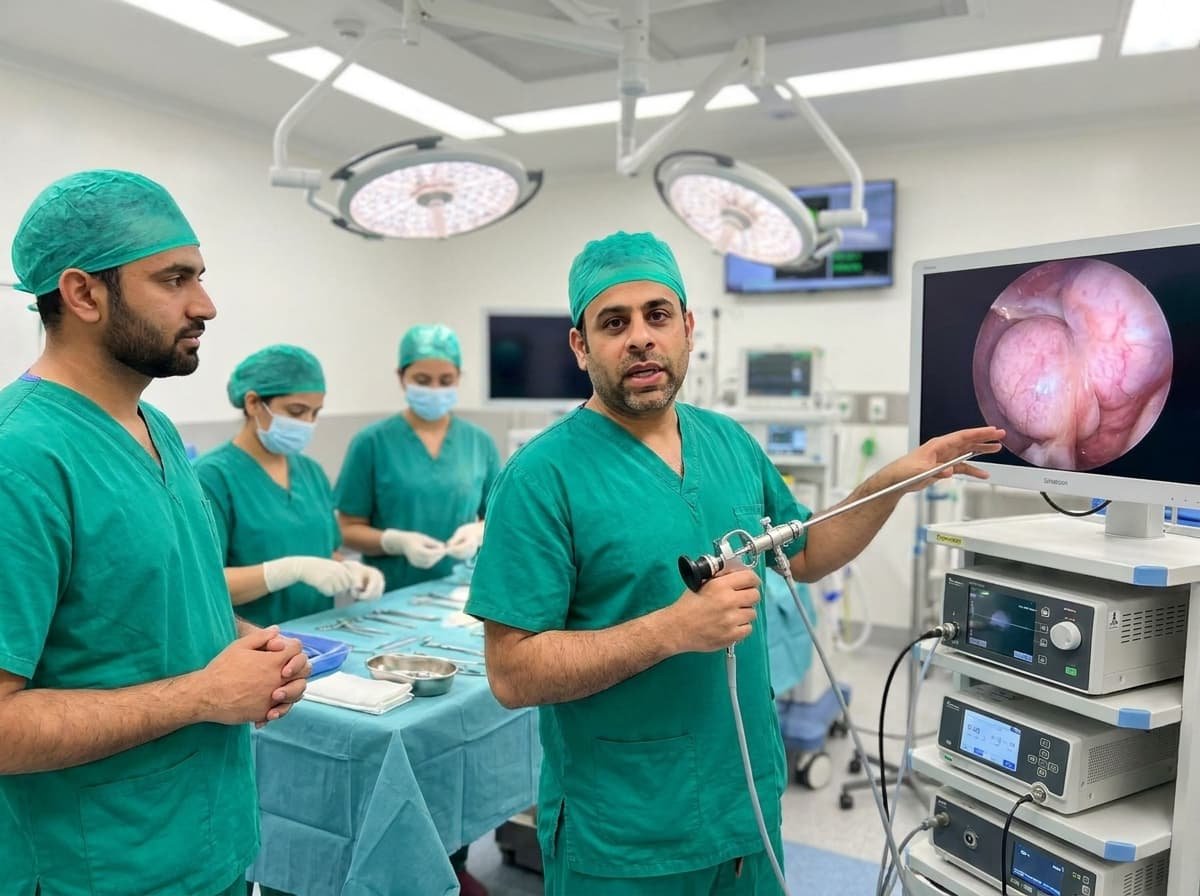
3. Ureteroscopy & Laser Lithotripsy
A thin scope passes through the urinary tract to locate stones. Laser energy can fragment them for removal or natural passage.
4. Percutaneous Nephrolithotomy (PCNL)
PCNL removes large or complex kidney stones through a small incision in the back using specialized instruments.
5. Flexible Ureteroscopy (RIRS)
A flexible scope reaches stones inside the kidney through the natural urinary passage. Laser treatment may be used without a skin incision.
6. Emergency Drainage & Infection Control
An infected, obstructed kidney needs urgent treatment. A ureteral stent or nephrostomy tube may drain urine before stone removal.
Prevention & Long-Term Kidney Stone Care
Kidney stones can recur, but appropriate lifestyle changes and regular medical follow-up may reduce the risk. Prevention depends on stone type, urine chemistry, dietary habits, and underlying medical conditions. Dr Abdul Mujeeb can help patients develop an individualised prevention plan based on their stone history and investigation results.
1. Maintain Adequate Hydration
Drink enough fluids to keep urine diluted. Many stone formers benefit from producing over 2.5 litres of urine daily, unless medically restricted.
2. Reduce Excess Salt Intake
High sodium intake increases urinary calcium in some patients. Limiting salty snacks and processed foods may help prevent recurrent stones.
3. Follow a Balanced Diet
Maintain normal dietary calcium and moderate animal protein. Oxalate restrictions should be individualized according to stone type and tests.
4. Maintain a Healthy Weight
Healthy weight management, regular physical activity, and control of metabolic conditions may reduce the likelihood of stone recurrence.
5. Attend Regular Follow-Up
Follow-up visits, urine testing, and imaging when indicated can detect recurrent stones and monitor kidney health.
6. Personalized Prevention Medication
Selected patients may benefit from prescribed medication based on stone composition and metabolic evaluation. Treatment requires medical supervision.
Frequently Asked Questions (FAQs)
Patients often have questions about kidney stone symptoms, treatment procedures, recovery, and prevention. Here are answers to some common questions to help you better understand kidney stone care and know when to seek professional medical advice.
1. Can kidney stones pass naturally without surgery?
Yes. Some small kidney stones pass naturally through urine, depending on their size, location, and the patient’s condition. Your urologist may recommend pain relief, appropriate fluid intake, medication, and follow-up imaging. Larger stones or those causing complications may require a procedure.
2. Is laser treatment for kidney stones safe?
Laser lithotripsy is a commonly performed minimally invasive treatment for suitable kidney or ureteral stones. A thin scope reaches the stone, and laser energy breaks it into smaller fragments. As with any procedure, there are potential risks, which your urologist will discuss before treatment.
3. Can kidney stones come back after treatment?
Yes. Kidney stones can recur even after successful treatment. Drinking sufficient fluids, reducing excess salt, following useful dietary advice, and attending follow-up appointments may reduce recurrence. Some patients need additional testing or preventive medication.
4. When should I seek urgent medical attention for kidney stones?
Seek urgent medical care if you experience fever or chills with suspected kidney stone pain, inability to pass urine, severe uncontrolled pain, or persistent vomiting. A stone causing urinary obstruction, together with infection, can be a medical emergency requiring immediate treatment.