
Understanding Bladder Health
Bladder growths can range from non-cancerous conditions to bladder cancer. Early medical assessment helps identify the cause of symptoms and determine the most appropriate care. Dr. Abdul Mujeeb provides urological assessment and guidance for bladder-related concerns.
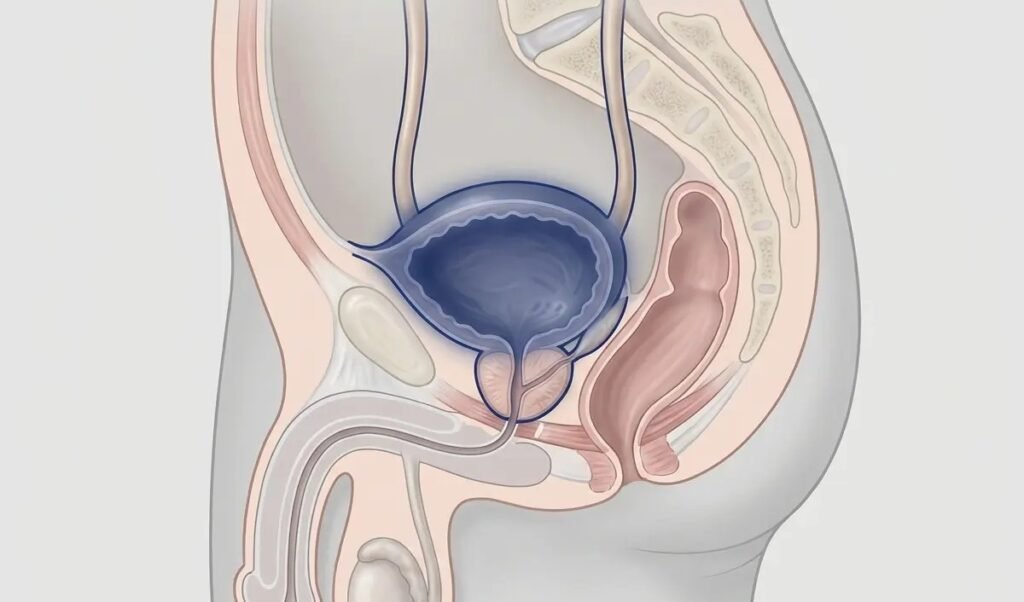
Understanding Bladder Cancer & Growth
The bladder stores urine before it leaves the body. A bladder growth is an abnormal area of tissue that may be non-cancerous or cancerous. Bladder cancer develops when abnormal cells grow in the bladder lining. Medical assessment is important to identify the cause of symptoms and determine the appropriate next steps.
1. Non-Cancerous Growths
Some bladder lesions or growths are not cancerous. Examination and appropriate tests help determine the nature of an abnormal area.
2. Bladder Cancer
Bladder cancer occurs when abnormal cells grow in the bladder lining. Diagnosis and treatment depend on the type, stage, and clinical findings.
Common Signs & Symptoms of Bladder Problems
Bladder growths and bladder cancer may cause changes in urination, although some people have no noticeable symptoms. These warning signs can also occur with non-cancerous conditions. Recognising changes and seeking timely medical assessment can help identify the underlying cause.
1. Blood in Urine
Pink, red, or brown urine may indicate blood. Even a single episode requires prompt medical assessment.
2. Frequent Urination
Needing to urinate more often than usual, including during the night, may indicate a bladder or urinary problem.
3. Painful Urination
Burning, discomfort, or pain while passing urine may occur with bladder irritation or other urinary conditions.
4. Urinary Urgency
A sudden, strong need to urinate that is difficult to delay may be associated with bladder irritation.
5. Pelvic Discomfort
Persistent discomfort or pain in the lower abdomen or pelvic region may require further medical evaluation.
6. Difficulty Passing Urine
A weak stream or difficulty emptying the bladder may occur with urinary obstruction. Complete inability to pass urine requires urgent care.
Bladder Cancer Care
Early Detection & Treatment Planning




Causes & Risk Factors for Bladder Cancer
Bladder cancer develops when abnormal cells grow uncontrollably in the bladder. Although the exact cause is not always known, certain factors can increase the risk. Understanding these factors can help patients make informed health decisions and recognise when they need medical advice.
1. Smoking & Tobacco
Smoking is a major risk factor for bladder cancer. Harmful chemicals from tobacco can pass through the urine and affect the bladder lining.
2. Chemical Exposure
Long-term exposure to certain industrial chemicals, particularly in dye, rubber, and related industries, may increase bladder cancer risk.
3. Age & Family History
Bladder cancer becomes more common with increasing age. A family history or certain inherited conditions may also increase risk.
4. Chronic Bladder Irritation
Certain long-standing bladder infections, inflammation, or prolonged catheter use may increase the risk of some bladder cancers.
Diagnosis & Investigations for Bladder Cancer
Diagnosing bladder growths and bladder cancer involves reviewing symptoms, medical history, and appropriate investigations. Dr. Abdul Mujeeb may recommend tests to examine the urinary tract, identify abnormal areas, and determine whether further assessment or treatment is necessary.
1. Medical History & Examination
The doctor reviews urinary symptoms, medical history, smoking exposure, and other risk factors before recommending appropriate investigations.
2. Urine Tests
Urine testing may help detect blood, infection, or abnormal cells. Urine cytology may be recommended in selected cases.
3. Ultrasound Examination
Ultrasound imaging may help identify bladder abnormalities and assess parts of the urinary tract, although it cannot rule out every bladder tumour.
4. Cystoscopy
A thin camera is passed through the urethra to examine the inside of the bladder and identify suspicious areas that may need further investigation.
5. Biopsy & Tissue Examination
A tissue sample, often obtained during a bladder tumour removal procedure, is examined in a laboratory to confirm the diagnosis and assess the tumour.
6. CT Scan & Other Imaging
CT urography or other imaging may be recommended to evaluate the urinary tract or assess the extent of disease when clinically appropriate.
Treatment Options for Bladder Cancer & Growth
Treatment for bladder growths and bladder cancer depends on the diagnosis, tumour type, stage, and overall health of the patient. Options may include endoscopic procedures, medicines delivered into the bladder, surgery, or other specialist treatments. A urologist can explain the most appropriate approach following a complete assessment.
1. Endoscopic Tumour Removal
Transurethral resection of bladder tumour (TURBT) allows the doctor to remove or sample abnormal bladder tissue using instruments passed through the urethra.
2. Intravesical Therapy
Selected patients may receive medication directly into the bladder, such as BCG immunotherapy or chemotherapy, to help reduce the risk of cancer returning.
3. Surgical Treatment
Some bladder cancers require more extensive surgery, including partial or complete bladder removal, depending on the stage and clinical circumstances.
4. Advanced Cancer Care
Depending on the disease, specialist care may include systemic chemotherapy, immunotherapy, radiotherapy, or other treatments coordinated by a cancer care team.
Prevention & Bladder Health
Although bladder cancer cannot always be prevented, certain lifestyle choices may help reduce the risk and support urinary health. Avoiding tobacco, limiting exposure to harmful chemicals, maintaining healthy habits, and recognising warning signs are important steps towards better bladder health.
1. Avoid Tobacco
Smoking is a major risk factor for bladder cancer. Quitting smoking and avoiding tobacco products can help reduce your risk and improve overall health.
2. Workplace Safety
Follow workplace safety guidelines and use appropriate protective equipment when handling industrial chemicals associated with bladder cancer risk.
3. Healthy Daily Habits
Maintain a balanced diet, stay physically active, and drink fluids according to your individual health needs to support general well-being.
4. Recognise Warning Signs
Seek prompt medical assessment for blood in the urine, even if it occurs only once. Persistent changes in urination should also be evaluated.
Frequently Asked Questions
1. Is every bladder growth cancerous?
No. Some bladder growths are non-cancerous, while others may be cancerous. Tests such as cystoscopy and tissue examination help determine the nature of a bladder growth.
2. What is the most common warning sign of bladder cancer?
Blood in the urine is a common warning sign and may occur without pain. Even if it happens only once, it should be assessed promptly by a doctor.
3. Can bladder cancer be treated successfully?
Yes. Many bladder cancers can be treated successfully, particularly when detected at an early stage. Treatment and outcomes depend on the cancer’s type, stage, and other medical factors.
4. Can bladder cancer return after treatment?
Yes. Bladder cancer can sometimes return after treatment. Regular follow-up, which may include cystoscopy and other tests, is important for monitoring and detecting recurrence.