
Urethral Surgeries
Urethral conditions can disrupt normal urine flow, causing discomfort, difficulty urinating, and other urinary problems. Modern urethral surgery offers treatment options for conditions such as urethral strictures, injuries, and structural abnormalities. Understanding these procedures can help patients make informed decisions about their urinary health and recovery.
Understanding Urethral Conditions
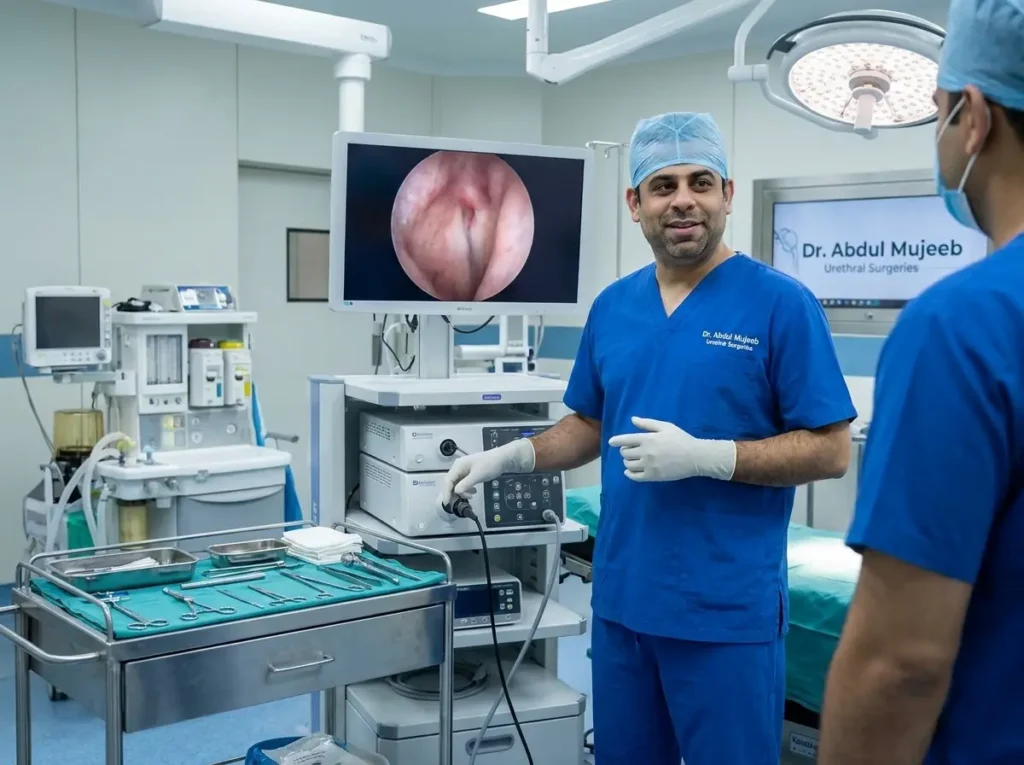
The urethra is the tube that carries urine from the bladder to the outside of the body. Certain conditions can narrow, block, or damage this passage, making urination difficult or uncomfortable. Understanding common urethral disorders helps patients recognize symptoms early and explore appropriate medical or surgical treatment options.
1. Urethral Stricture
Urethral stricture occurs when scar tissue narrows the urethra and restricts urine flow. It may cause a weak urinary stream, straining, incomplete bladder emptying, or repeated urinary infections. Treatment depends on the location and severity of the narrowing.
2. Urethral Injury & Trauma
The urethra may be damaged by pelvic fractures, accidents, instrumentation, or other injuries. Such damage can interfere with normal urination and may lead to scarring. Some injuries require urgent assessment, while others may need reconstructive surgery.
3. Other Urethral Abnormalities
Certain structural abnormalities, including urethral diverticula and congenital conditions, can affect urine flow or cause urinary symptoms. Depending on the condition, treatment may involve observation, medication, or specialized surgical correction.
Common Causes & Risk Factors
Urethral disorders can develop due to infections, injuries, previous medical procedures, or underlying health conditions. These factors may damage the urethral lining, cause scar tissue formation, or affect normal urinary function. Understanding the possible causes helps patients recognize risks and seek appropriate medical evaluation.
1. Previous Urethral Procedures
Urinary catheterisation, endoscopic procedures, or previous urethral surgery can sometimes injure the urethral lining. Healing may lead to scar tissue formation and narrowing of the urinary passage.
2. Injury & Physical Trauma
Pelvic fractures, accidents, and direct injuries to the perineum may damage the urethra. Such injuries can cause immediate urinary problems or result in scarring and narrowing later.
3. Infections & Inflammation
Certain infections, including sexually transmitted infections, may cause inflammation of the urethra. Persistent inflammation or tissue damage can sometimes contribute to urethral scarring.
4. Skin & Congenital Conditions
Conditions such as lichen sclerosus can cause inflammation and scarring around the urethra. Some individuals also have structural abnormalities present from birth that may require specialist assessment.
Urethral Surgery & Care
Specialized Urethral Treatment Options



Signs & Symptoms of Urethral Conditions
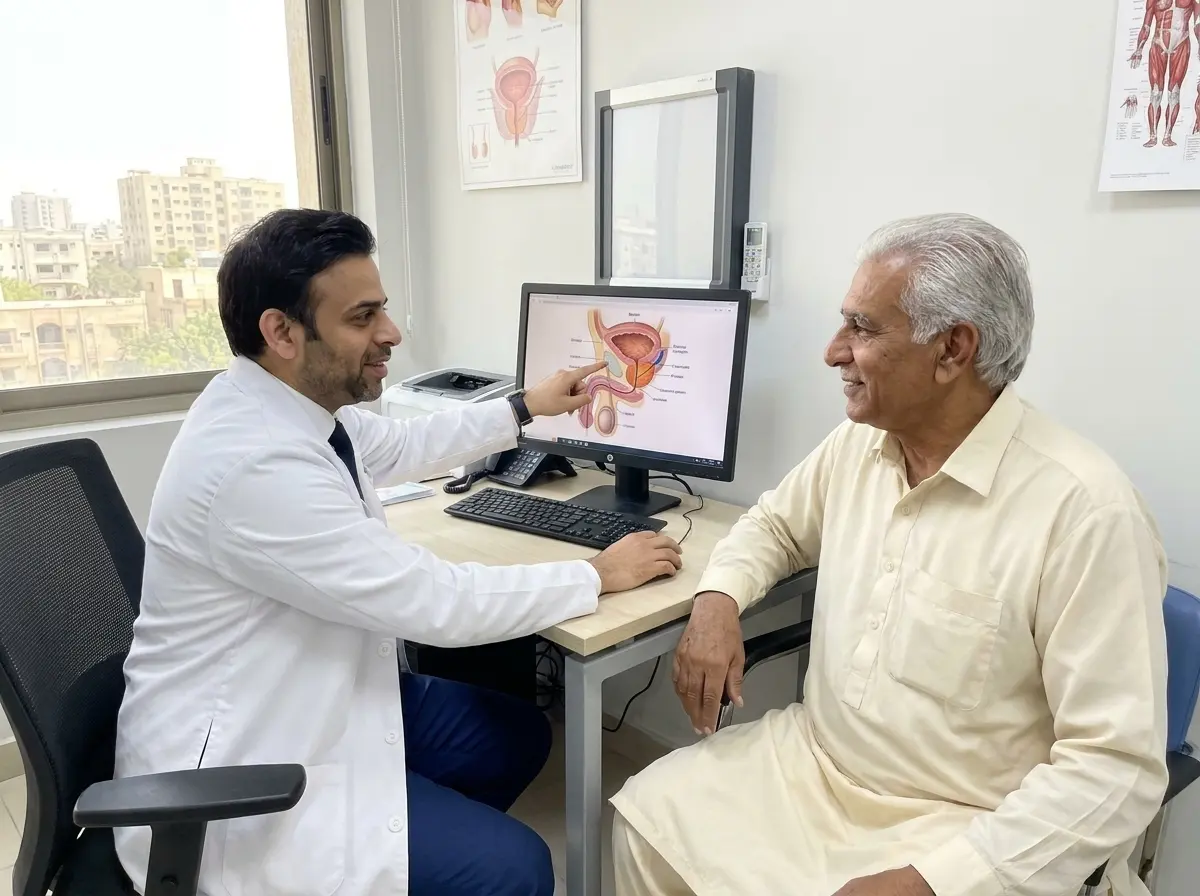
Urethral disorders may cause changes in urinary flow, discomfort, or difficulty emptying the bladder. Symptoms can develop gradually as the urethra narrows or appear suddenly after an injury. Recognizing these warning signs and seeking timely medical attention can help prevent complications and guide appropriate treatment.
1. Changes in Urinary Flow
A weak or slow urinary stream, spraying or splitting of urine, and difficulty starting urination may indicate urethral narrowing. Some patients also experience straining, prolonged urination, or a feeling that the bladder has not emptied completely.
2. Pain & Urinary Discomfort
Burning during urination, discomfort in the lower abdomen or perineum, and increased urinary frequency may occur with urethral disorders. Recurrent urinary tract infections can also develop when normal bladder emptying is affected.
3. Urinary Retention & Warning Signs
Severe urethral obstruction may prevent urination altogether. Blood in the urine, fever with urinary symptoms, or inability to pass urine requires prompt medical assessment. Sudden inability to urinate is a medical emergency.
Diagnosis & Investigations
Accurate diagnosis is essential for identifying urethral narrowing, injuries, and other structural abnormalities. A urologist may recommend a combination of clinical examination, urine tests, imaging studies, and specialized procedures to assess the urethra. These investigations help determine the location and severity of the problem and guide the most appropriate treatment plan.
1. Medical History & Physical Examination
The urologist reviews urinary symptoms, previous infections, injuries, catheterization, and surgical history. A focused physical examination may help identify signs of urethral disease and determine which investigations are needed.
2. Urine Tests & Uroflowmetry
Urine tests help detect infection or blood in the urine. Uroflowmetry measures the speed and pattern of urinary flow, while an ultrasound bladder scan may check how much urine remains after urination.
3. Retrograde Urethrogram (RGU)
A retrograde urethrogram uses contrast dye and X-ray imaging to show the urethral passage. It helps identify the location and length of a stricture or injury and may be combined with other imaging when necessary.
4. Cystoscopy & Urethroscopy
A thin camera instrument allows the urologist to examine the inside of the urethra and bladder. This procedure may reveal narrowing, scarring, or other abnormalities that require further evaluation or treatment.
Urethral Surgical Treatment Options
Urethral surgery aims to restore normal urine flow, relieve obstruction, and address structural problems affecting the urethra. Treatment may involve minimally invasive endoscopic procedures or reconstructive surgery, depending on the condition’s location, length, severity, and recurrence. A urologist evaluates each patient’s circumstances to recommend the most appropriate surgical approach.
1. Urethral Dilation
Urethral dilation gradually widens a narrowed urethral passage using specialized instruments. It may improve urinary flow in selected patients, but narrowing can return, and additional treatment may be needed.
2. Direct Vision Internal Urethrotomy (DVIU)
DVIU is an endoscopic procedure that uses a small camera and surgical instrument to cut scar tissue inside the urethra. It is generally considered for selected short strictures, but recurrence remains possible.
3. Excision & Primary Anastomotic Urethroplasty
This reconstructive procedure removes a short scarred segment of the urethra and reconnects the healthy ends. It may provide durable results in appropriately selected patients, depending on stricture location and anatomy.
4. Buccal Mucosal Graft Urethroplasty
This technique uses tissue taken from the inner cheek to reconstruct a narrowed section of the urethra. It is often considered for longer or more complex strictures that require additional tissue for repair.
5. Staged Urethral Reconstruction
Complex urethral damage may require reconstruction in two or more planned stages. This approach allows affected tissues to heal before further repair and may be suitable for selected severe or recurrent strictures.
6. Urethral Injury Repair
Urethral injuries caused by trauma may require urinary drainage, endoscopic management, or reconstructive surgery. The timing and type of repair depend on the injury’s location, severity, and associated damage.
Recovery, Aftercare & Prevention
Recovery after urethral surgery depends on the procedure type, the severity of the condition, and the patient’s overall health. Proper catheter care, prescribed medications, activity restrictions, and regular follow-up appointments are important for safe healing. Following your urologist’s instructions can help reduce complications, monitor urinary function, and identify any recurrence of urethral narrowing.
1. Catheter Care & Hygiene
A urinary catheter may be required temporarily after urethral surgery. Keep the catheter clean, avoid pulling or twisting the tubing, and follow your healthcare team’s instructions for drainage and removal.
2. Medications & Pain Management
Mild discomfort may occur during recovery. Take prescribed pain medicines and other medications exactly as directed. Contact your healthcare team if pain worsens or prescribed treatment does not provide relief.
3. Physical Activity & Rest
Allow adequate time for healing and follow your surgeon’s activity restrictions. After certain procedures, you may need to avoid heavy lifting, cycling, strenuous exercise, and sexual activity temporarily.
4. Hydration & Healthy Habits
Maintain appropriate fluid intake as advised by your doctor. Balanced nutrition, avoiding smoking, and managing existing health conditions may support healing and general urinary health.
5. Follow-Up & Monitoring
Attend scheduled appointments to assess healing and urinary flow. Your urologist may recommend uroflowmetry, imaging, or other tests to monitor recovery and detect possible recurrence of narrowing.
6. Warning Signs & Complications
Fever, worsening pain, heavy bleeding, or a blocked catheter require prompt medical assessment. Sudden inability to pass urine, particularly with severe discomfort, requires emergency medical attention.
Frequently Asked Questions
Find answers to common questions about urethral strictures, surgical treatment options, recovery, and long-term urinary health. These explanations help patients understand urethral procedures and the importance of appropriate medical evaluation and follow-up care.
1: What is a urethral stricture, and does it always require surgery?
A urethral stricture is a narrowing of the urethra caused by scar tissue, which can restrict urine flow. Not every stricture requires immediate surgery. Treatment depends on symptom severity, the location and length of the narrowing, and any associated complications. A urologist can recommend the most appropriate approach after evaluation.
2: What is the difference between DVIU and urethroplasty?
DVIU is a minimally invasive procedure that cuts scar tissue from inside the urethra using an endoscope. Urethroplasty is reconstructive surgery that removes or repairs the narrowed section. DVIU may be suitable for selected short strictures, while urethroplasty generally offers more durable results, particularly for recurrent or complex strictures.
3: How long does recovery take after urethral surgery?
Recovery time varies according to the procedure and the patient’s condition. Some patients recover relatively quickly after endoscopic treatment, while reconstructive surgery may require several weeks of healing. A urinary catheter may be needed temporarily. Your surgeon will advise when to resume normal activities, exercise, and sexual activity.
4: Can a urethral stricture return after surgery?
Yes. Urethral strictures can recur after treatment, although the likelihood varies with the type of procedure, stricture characteristics, and previous treatments. Recurrence is generally more common after dilation or DVIU than after successful urethroplasty. Regular follow-up helps detect narrowing early and assess long-term urinary function.