
Understanding PUJ Obstruction
Pelvi-Ureteric Junction Obstruction (PUJO) occurs when urine cannot drain normally from the kidney into the ureter due to narrowing or blockage at their junction. This may cause kidney swelling, discomfort, or reduced kidney function over time. Dr. Abdul Mujeeb provides urological assessment and guidance to help patients understand their condition and available treatment options.
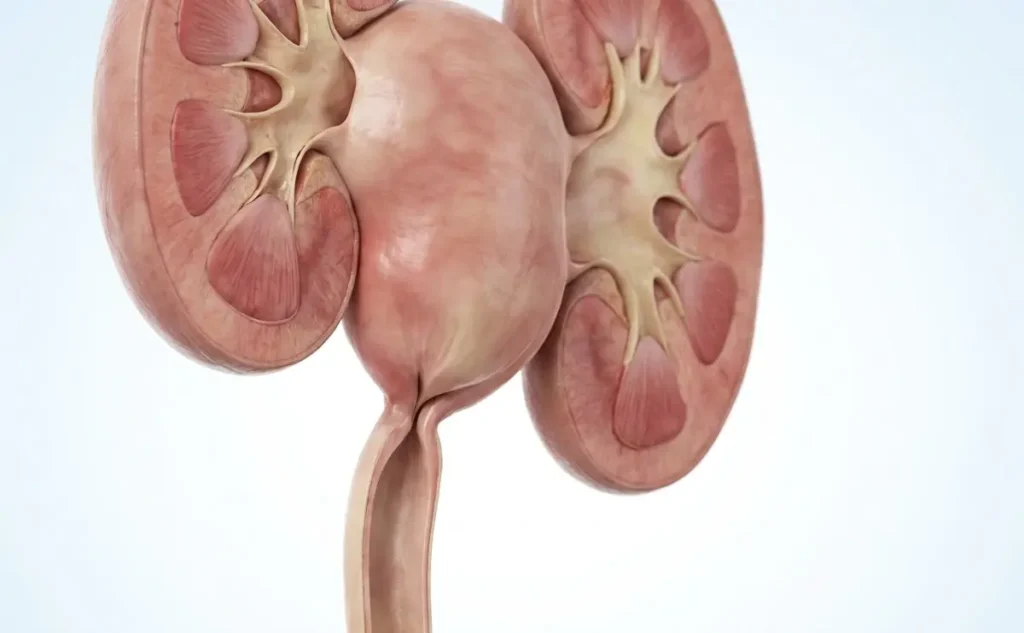
Understanding Pelvi-Ureteric Junction Obstruction (PUJO)
The pelvi-ureteric junction (PUJ) is the point where urine leaves the kidney’s collecting system and enters the ureter, the tube that carries urine to the bladder. When this junction becomes narrowed or blocked, urine may not drain properly, causing swelling of the kidney (hydronephrosis). PUJO may be present from birth or develop later in life.
1. Congenital PUJO
Congenital PUJO is present from birth and may result from abnormal development of the junction or an unusual arrangement of nearby blood vessels. It may be detected during childhood or later in life.
2. Acquired PUJO
Acquired PUJO develops later in life and may be associated with scarring, inflammation, previous procedures, or other conditions affecting the drainage junction between the kidney and ureter.
Causes & Risk Factors of PUJO
Pelvi-Ureteric Junction Obstruction may develop because of structural differences present from birth or changes affecting the urinary drainage system later in life. Understanding the possible causes helps doctors select appropriate investigations and treatment. The underlying cause is not always identifiable.
1. Congenital Narrowing
Some people are born with a narrowed or poorly functioning junction between the kidney’s collecting system and the ureter, restricting normal urine drainage.
2. Crossing Blood Vessels
An unusually positioned blood vessel may compress the pelvi-ureteric junction from outside, contributing to obstruction in some patients.
3. Scarring & Inflammation
Scar tissue or inflammation following infection, injury, or previous urinary procedures may narrow the drainage junction and affect urine flow.
4. Stones & Other Conditions
Kidney stones or other abnormalities near the junction can sometimes obstruct urine drainage or contribute to narrowing in the affected area.
Signs & Symptoms of PUJO
Pelvi-Ureteric Junction Obstruction (PUJO) can cause different symptoms depending on the blockage’s severity and its effect on kidney drainage. Some patients experience noticeable discomfort, while others have no symptoms and are diagnosed incidentally during imaging for another reason.
1. Flank or Side Pain
Pain or discomfort in the side or back near the affected kidney may be intermittent or persistent.
2. Recurrent Urinary Infections
Poor urine drainage may increase the likelihood of urinary infections, sometimes accompanied by fever or discomfort.
3. Blood in the Urine
Some patients may notice blood in their urine, which should be medically assessed even if it occurs only once.
4. Nausea or Vomiting
Episodes of kidney-related pain may sometimes be accompanied by nausea or vomiting.
5. Kidney Swelling
Hydronephrosis, or swelling of the kidney due to urine buildup, may be detected on ultrasound even when symptoms are absent.
6. Reduced Kidney Function
Long-standing or severe obstruction may affect kidney function, sometimes without obvious warning symptoms.
PUJO Diagnosis & Treatment
Restoring Healthy Kidney Drainage



Diagnosis & Investigations for PUJO
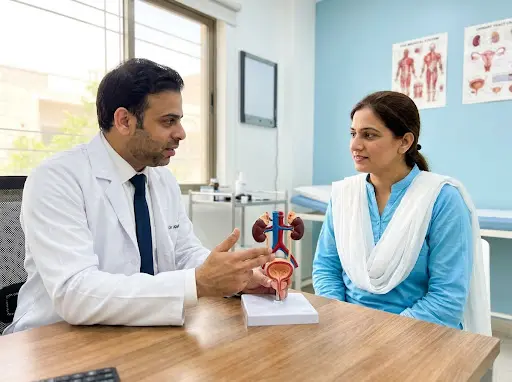
Diagnosing Pelvi-Ureteric Junction Obstruction involves assessing symptoms, kidney drainage, and kidney function. Dr. Abdul Mujeeb may recommend imaging and other investigations to identify the location and severity of the obstruction and determine the most appropriate management plan.
1. Ultrasound Examination
An ultrasound helps detect swelling of the kidney (hydronephrosis) and assess the urinary tract. It is often an initial investigation when PUJO is suspected.
2. CT or MR Urography
CT or MRI-based imaging may provide detailed views of the kidneys, ureters, and surrounding structures, helping identify narrowing or other abnormalities.
3. Renal Nuclear Scan
A diuretic renal scan, such as MAG3 renography, can assess urine drainage and the relative function of each kidney, helping evaluate suspected obstruction.
4. Kidney Function Tests
Blood tests, including creatinine, help assess overall kidney function. Urine tests may also be recommended to check for infection or other urinary problems.
Treatment Options for PUJO
Treatment for Pelvi-Ureteric Junction Obstruction depends on the severity of the blockage, symptoms, kidney function, and the results of diagnostic investigations. Some patients require regular monitoring, while others may benefit from procedures to improve urine drainage and protect kidney health.
1. Observation & Monitoring
Patients with mild obstruction, stable kidney function, and few symptoms may be monitored through follow-up appointments, ultrasound examinations, and kidney function assessments.
2. Pyeloplasty Surgery
Pyeloplasty repairs the narrowed junction to restore urine drainage. It may be performed using open, laparoscopic, or robotic-assisted techniques, depending on the patient’s needs and available expertise.
3. Endoscopic Treatment
In selected patients, an endoscopic procedure called endopyelotomy may be considered to widen the narrowed junction. Suitability depends on the anatomy and severity of the obstruction.
4. Urinary Drainage Procedures
A ureteric stent or nephrostomy tube may temporarily relieve urine buildup, particularly when urgent drainage is needed. These measures do not usually correct the underlying narrowing.
Living With PUJO & Protecting Kidney Health
Living with Pelvi-Ureteric Junction Obstruction requires attention to kidney health and appropriate medical follow-up. Although the underlying narrowing cannot always be prevented, timely diagnosis, regular monitoring, and suitable treatment can help reduce complications and protect kidney function.
1. Regular Kidney Monitoring
Attend recommended follow-up appointments and complete ultrasound scans or kidney function tests as advised. Regular monitoring helps detect changes in drainage or kidney health.
2. Healthy Daily Habits
Maintain appropriate hydration according to medical advice, follow a balanced diet, and manage conditions such as high blood pressure or diabetes that may affect kidney health.
3. Recognize Warning Signs
Seek urgent medical attention for fever with flank pain, severe or worsening pain, persistent vomiting, or markedly reduced urine output. These symptoms may indicate a serious complication.
Frequently Asked Questions About PUJO
Pelvi-Ureteric Junction Obstruction (PUJO) raises many questions about kidney drainage, symptoms, diagnosis, and treatment options. Understanding how this condition affects urine flow and kidney function can help patients make informed care decisions. Below are answers to frequently asked questions about PUJO, including its symptoms, diagnostic tests, and surgical treatment options.
1: Is PUJO a serious kidney condition?
PUJO can become serious if the blockage affects kidney drainage and function. Early diagnosis and appropriate treatment can help prevent long-term kidney damage.
2: Can PUJO be treated without surgery?
Yes. Mild cases with stable kidney function may only require regular monitoring. Doctors may recommend surgery when obstruction causes significant symptoms or affects kidney function.
3: What is the most common surgery for PUJO?
Pyeloplasty is a commonly used surgical treatment. It repairs the narrowed junction between the kidney and ureter to improve urine drainage.
4: Can PUJO come back after treatment?
Yes, although pyeloplasty is generally successful, narrowing can occasionally recur. Follow-up imaging and kidney assessments help monitor recovery and detect any problems.